



Pakistan’s inclusion in Gaza Peace Board unacceptable: JI Chief Hafiz Naeem
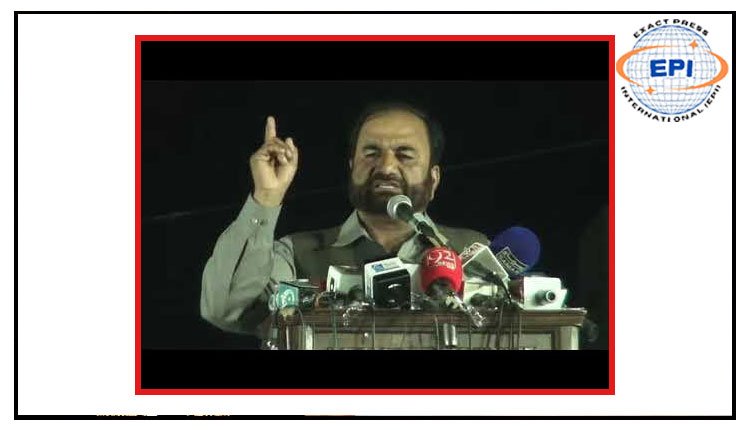
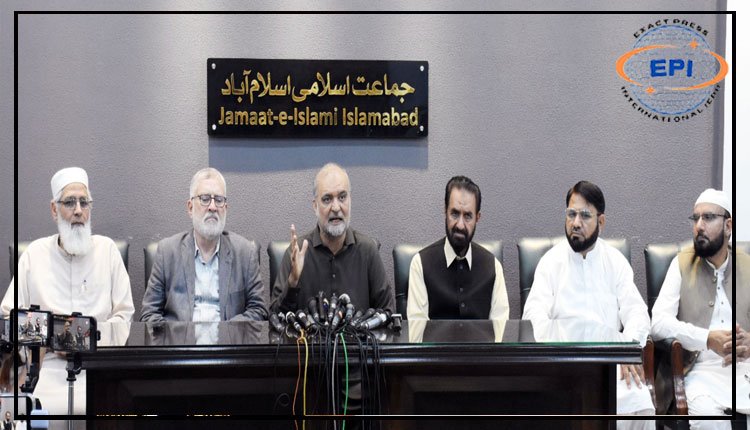
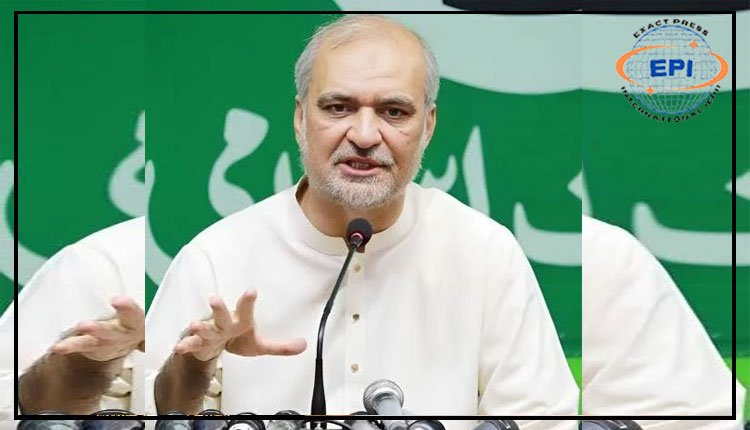
PESHAWAR, Jan 24 (EPI): Jamaat-e-Islami Pakistan Emir Hafiz Naeem ur Rehman on Friday rejected Pakistan’s decision to join US President Donald Trump’s so-called Gaza Peace Board, saying such a move was unacceptable under any circumstances and had been taken without consulting the nation or even the federal cabinet.
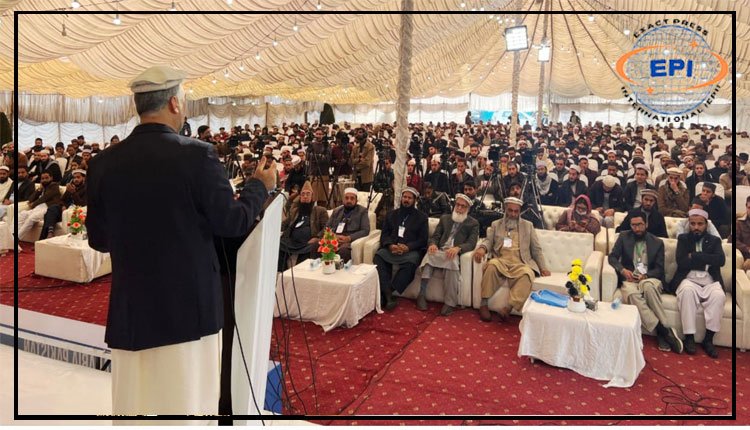
Addressing the annual convention of members and candidates of Jamiat Talaba Arabia at Markaz-e-Islami, Peshawar, Rehman said that Pakistan’s 250 million people were “not sheep and goats” to unquestioningly accept whatever decisions the rulers made.
He questioned why such a major policy decision was taken without parliamentary debate.
He said Pakistan was facing a severe governance crisis and stressed that lasting peace in the region was not possible without the restoration of Pakistan-Afghanistan relations.
Calling for dialogue between Islamabad and Kabul, he said military operations in Khyber Pakhtunkhwa and the merged tribal districts were not a solution. He added that Afghan soil must not be used for terrorism against Pakistan and that improved Pak-Afghan ties were the key to regional stability.
The JI chief questioned the basis on which Pakistan’s participation in the Gaza board had been decided, asking whose advice had been sought. He said the nation was still paying the price for policies adopted during the Musharraf era, particularly Pakistan’s participation in the US-led war, which, he said, rendered the western border insecure, fuelled terrorism, led to the establishment of US military bases, caused countless civilian and security personnel casualties, and inflicted billions of dollars in economic losses.
He said that successive governments blamed their predecessors while continuing policies of appeasement. The current rulers, he added, once again flattering Trump who he said was openly threatening to disarm Hamas and deprive Palestinians of their right to self-defence. He warned the government to act with caution, saying that while Jamaat-e-Islami did not want Pakistan to clash with any global power, national sovereignty and territorial integrity could not be compromised.
“Pakistan is a nuclear power, and the US cannot harm it,” he said.
Calling for dialogue with Afghanistan, Rehman urged the government to take tribal elders, religious scholars, traders and other influential segments into confidence. He said the Afghan people should also recognise that Pakistan’s nation was not responsible for past policies, adding that Pakistanis had hosted Afghan refugees for decades and that the people of both countries shared mutual affection.
Commenting on the domestic situation, the JI chief said the ruling elite was unwilling to grant rights to the people. He said around 27.5 million children were out of school, healthcare facilities across provinces—including Khyber Pakhtunkhwa—were in poor condition, and despite official claims, the economy continued to decline amid rising unemployment and inflation.
Referring to the Gul Plaza fire incident, he said it had exposed the performance of the Pakistan People’s Party, which had ruled Sindh for 17 years. He said that despite electoral defeat, a “forced mayor” had been installed in Karachi with the support of the PML-N, JUI-F and state institutions. He announced that a million march would be held in Karachi on February 1 against the city’s problems and imposed rulers.
The JI Emir said the entire system had become obsolete and that the country could not progress without fundamental change. He urged religious scholars and madrassa students to play a unifying role for the Muslim Ummah and to join Jamaat-e-Islami’s struggle for systemic reform.